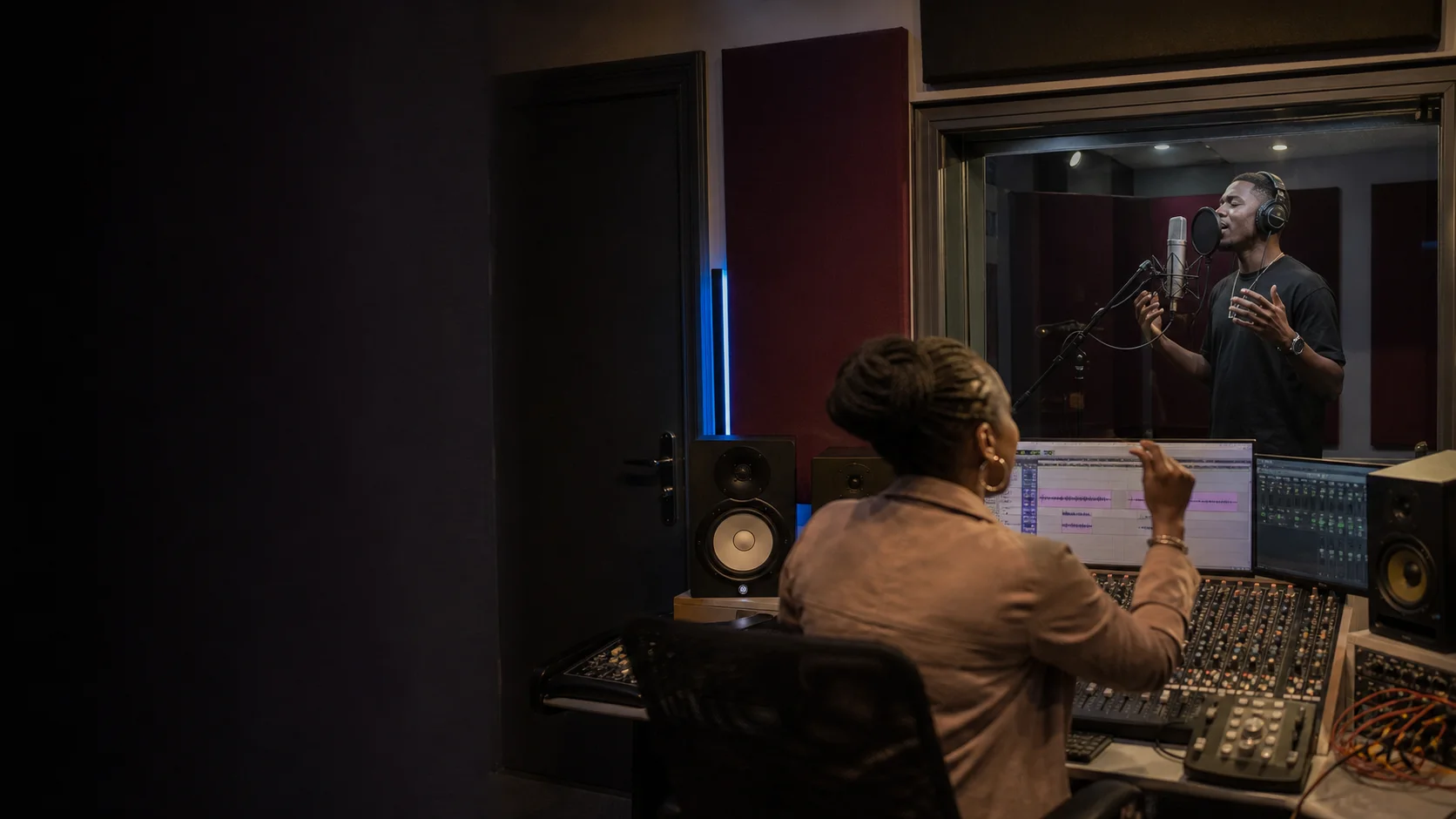
You do not need a perfect song before you start a conversation with a producer. You do need a useful starting point. A rough demo, a few honest references and a clear idea of the help you need can make the first session much more productive.
Bring the idea in its simplest form
A phone recording can be enough to explain a melody. A lyric sheet can reveal the structure you are working towards. If you have several versions, choose one as the starting point and explain what you like about the others.
The aim is not to impress anyone with how finished the demo sounds. It is to help the people in the room hear what matters to you: the rhythm of a line, a particular emotion or the space you want the chorus to open up.
Use references with a purpose
Choose a small number of reference tracks and say what you hear in each one. Perhaps it is the intimacy of the vocal, the movement of the drums or the way the arrangement builds. Specific observations are more useful than asking for a song to sound exactly like another artist.
References should begin a conversation about your direction. They should leave room for your own voice and the choices that make the record recognisably yours.
Decide what this session needs to achieve
Recording a vocal, developing a beat and finishing a mix are different jobs. If you are not sure which stage you are at, describe the result you want and what already exists. The production team can then help you define a sensible scope.
A focused session does not have to be rigid. It simply gives everyone a shared priority. You might leave with a strong lead vocal, a revised arrangement or a clearer direction for the next round of work.
Keep the practical details in order
Gather your lyrics, references, existing audio and any notes before the session. Give files clear names so the current version is easy to find. If you are bringing material from another producer, check with the studio in advance about the files they need.
Share scheduling limits and release plans early. If several people need to approve the work, make that clear too. Those details help the team plan the session and the feedback that follows it.
- A rough demo or a clear description of the song
- Lyrics and notes on the current arrangement
- A few references, with a reason for each
- Existing files and a list of what still needs to be created
- Your main goal for the session
Leave space to discover something
Preparation should make creativity easier, not close it down. A new harmony, a quieter delivery or a change in the arrangement may be the thing that brings the song into focus.
Come ready to communicate, listen back and make choices. The best starting point is a clear idea with enough room around it to grow.